Christ the Statesman

By |2026-03-17T22:23:26-05:00March 17th, 2026|Categories: Catholicism, Christendom, Government|

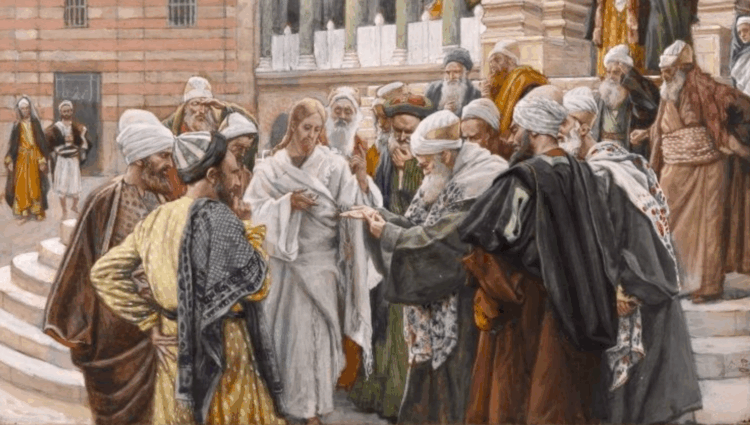
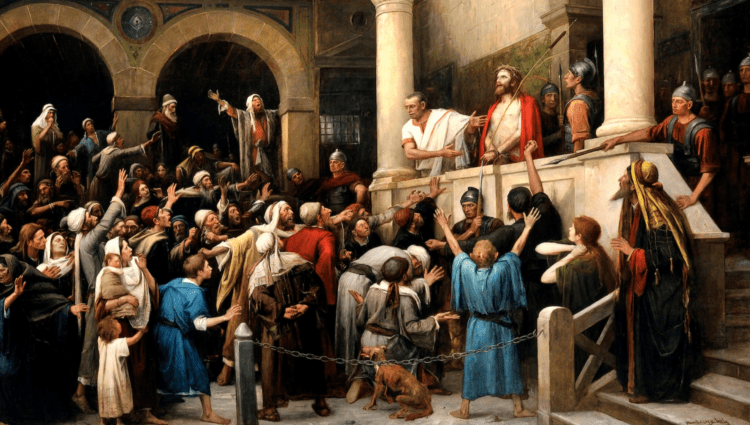
The king’s task is to weave the two kinds together, bringing out the good qualities in their opposite temperaments, so that virtues of both courage and moderation may be found together in each individual soul and in the city. Interrogated by the governor for political treason, the lowly Nazarene simply responds, “My kingship is not [...]
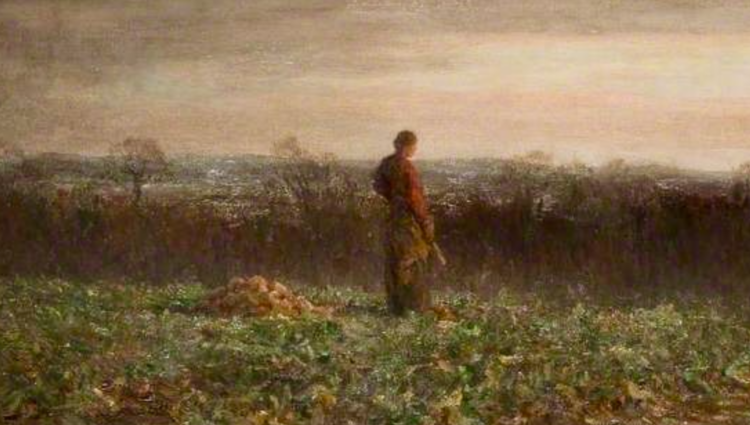
The Common Good versus the Machine

By |2026-03-13T18:54:23-05:00March 13th, 2026|Categories: Books, Catholicism, Cluny, Common Good, Freedom, Government|

A political system, however efficient, cannot be good if it clashes with ethics. We have to work for the restoration of local autonomy. There are things in which centralized control is necessary and beneficent; but there is a vast multitude of things in which it is unnecessary, and derogatory to human freedom and responsibility. Man [...]

Living an Integrated Life

By |2026-03-11T20:49:35-05:00March 11th, 2026|Categories: Catholic Culture Series, Catholicism, Christianity, Civil Society, Culture, Government|

None of us wants a theocracy, nor do we wish to have a totally secularized order. But both secular and sacred are to be joined in some way, the only question being how and to what extent. Have we still got a Christian consensus around which Americans of every possible persuasion can rally round? A public [...]

Combatting the “Naked Public Square”

By |2026-03-04T14:36:59-06:00March 4th, 2026|Categories: American Republic, Catholic Culture Series, Catholicism, Christendom, Civil Society, Government|

What is it that finally holds a society together? What enables it to cohere? Nothing less, St. John Henry Newman reminds us, “than a common reverence for a certain sacred possession.” Does anyone know what the central myth of America might be? I mean, isn’t there a story out there we tell ourselves about our origins? Our [...]

Burke on Monstrous Revolution and Regicide Peace

By |2026-01-11T20:36:13-06:00January 11th, 2026|Categories: Bradley J. Birzer, Edmund Burke, Europe, Government, History, Justice, Politics, Revolution, Senior Contributors, Timeless Essays|

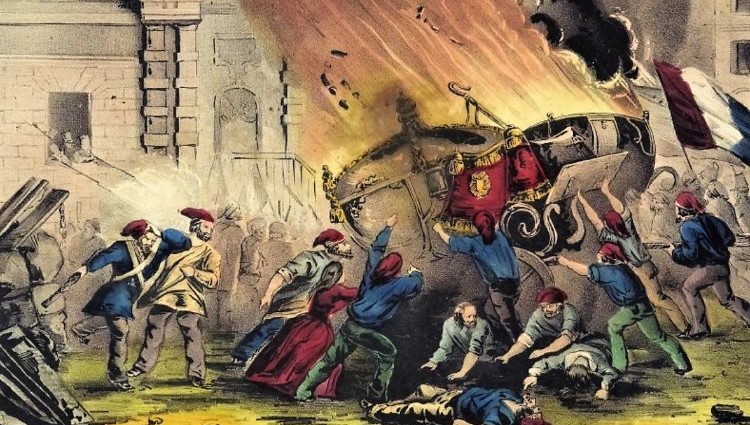
Edmund Burke contended that, far from creating peace, the French Revolution had generated the greatest despotism the world had yet seen, politicizing all things and enslaving the vast majority of the population. Of Edmund Burke’s (1729-1797) four Letters on a Regicide Peace—his final work, written while he rested on his deathbed—the fourth is, by far, [...]

Who Is Really Saving Our Democracy?

By |2025-11-12T12:28:46-06:00November 12th, 2025|Categories: Bureaucracy, Chuck Chalberg, Democracy, Donald Trump, Government, Politics, Progressivism, Senior Contributors|

The original progressives presumed that a permanent federal bureaucracy would be politically neutral. That hasn’t been the case for a very long time. Therefore, real progress today should lead to seriously trimming what is accurately called our administrative state and dramatically increasing the number of political appointees. While the latest round of “no kings” rallies [...]

Rendering to God

By |2025-09-28T14:57:22-05:00September 28th, 2025|Categories: Catholicism, Christendom, Government, New Polity, Politics, St. Thomas Aquinas|

We cannot give our souls, or the souls of our neighbors, to the pagan Caesar. But the modern Christian can obey a tyrant, insofar as he is just. In fact, this is difference that Christianity brings to politics. Every particular decree of our leaders can be judged as either usurping God’s authority or rightfully, humbly [...]

Can Transitioning Be Healthcare? A Reflection on Sex as Symbol

By |2025-09-04T17:40:07-05:00September 4th, 2025|Categories: Government, Health, Morality, Nature of God, Nature of Man|

Sexual difference is a symbol of one’s relation to the world, the whole of reality, to all others (and even to oneself), and ultimately to God. Initially, it may seem that the answer to the question that forms the title of this brief reflection would depend on the way one chose to define the first [...]

Church and State?

By |2025-08-31T18:30:24-05:00August 31st, 2025|Categories: Catholicism, Government, Monarchy, New Polity, Social Order, St. Thomas Aquinas|

I contend that the Middle Ages were neither religious nor secular because the religious and the secular are two features of  a single construction: the modern, Western social architecture of “Church” and “State,” “private” and “public.” The societies of the Middle Ages had a different architecture based on different assumptions and different concepts, ultimately on [...]

Why Government Cannot Educate

By |2025-07-18T19:05:07-05:00July 13th, 2025|Categories: Aristotle, Bureaucracy, Christianity, Education, Enlightenment, Family, Government, Liberal Learning, Love, Plato, Progressivism|

Saying that government cannot educate is not a partisan political position, but a simple statement of fact: government cannot educate, because government cannot love. Even more bluntly, government should not even try to run institutions of love, because, slowly but surely, its administrators inevitably pervert them in their desire for security or lust for power. [...]

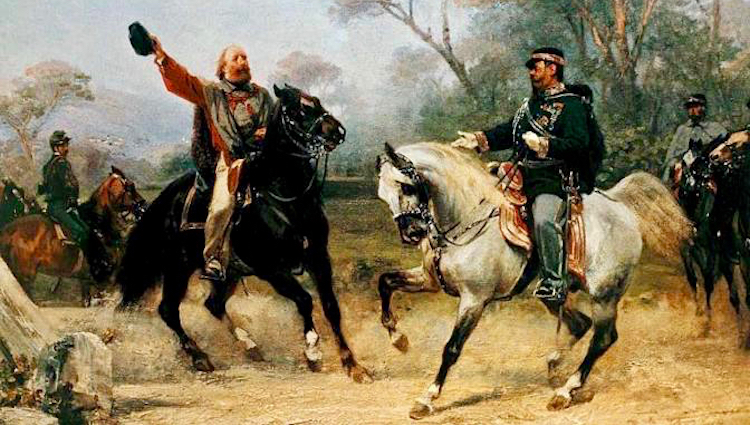
Machiavelli’s “Prince” & Tomasi di Lampedusa’s “The Leopard”

By |2025-05-11T23:07:21-05:00May 11th, 2025|Categories: Books, Government, History, Imagination, Revolution, Timeless Essays, Western Civilization|

Tomasi di Lampedusa’s “The Leopard” provides invaluable insight into 19th-century Italian history while creating a compelling story, allowing readers to relive an unfamiliar age of revolution and a fading nobility. Time under quarantine has been an excuse to revisit a personal favorite book and to explore its history, controversy, and literary value. I can think [...]

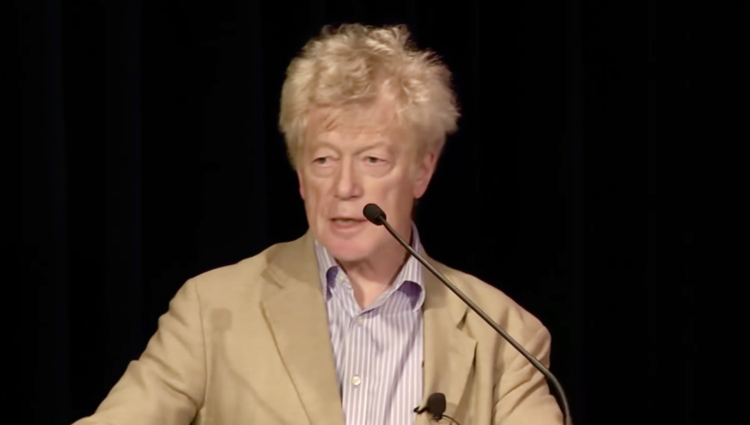
Roger Scruton on the Bureaucratisation of Politics

By |2025-02-03T17:25:32-06:00February 3rd, 2025|Categories: Bureaucracy, Government, Politics, Roger Scruton|

Roger Scruton argued that the bureaucratisation of politics is replacing deliberative debate with a rigid tick-boxing exercise, substituting social justice for natural justice, imposing laws and regulations without our consent, and developing a group of activist politicians who prioritise the short-term over the long. A key component of the late Sir Roger Scruton's political thinking [...]

The Church Against the State

By |2025-10-21T19:59:42-05:00January 25th, 2025|Categories: Catholicism, Christendom, Common Good, Conservatism, Economics, Government, New Polity, Politics, Subsidiarity|

The fundamental principle of Christian politics is that all power ought to be used for the common good. As Pope St. John XXIII put it, the realization of the common good is the “sole reason for the existence of civil authorities.” But what is the common good? The political right is in a state of [...]

Go to Top