Upcoming Conference: Imaginative Conservative Readers Are Invited to Join

By |2026-03-28T20:51:21-05:00March 28th, 2026|Categories: Humanism and Conservatism, Liberty, Permanent Things, Philosophy|

“The Roots of Ordered Liberty: America at 250” The Academy of Philosophy and Letters is proud to announce a lineup for our annual conference featuring talks by such conservative luminaries as Nathan Pinkoski, D. C. Schindler, and Kody W. Cooper. We will host a debate over whether the Federalists or the Anti-Federalists were ultimately right, [...]
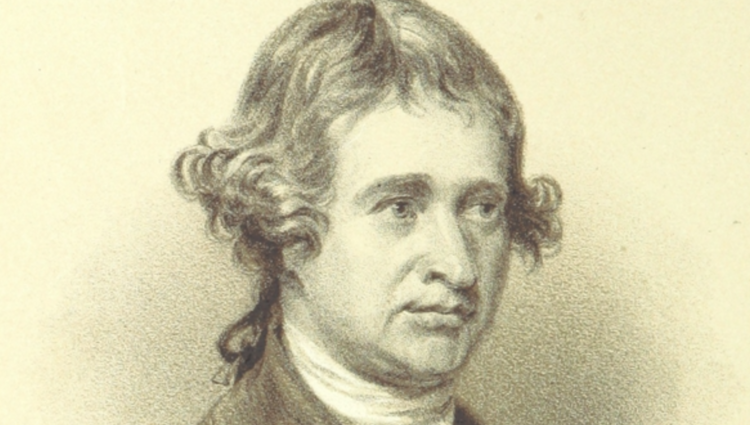
Edmund Burke on Manners

By |2026-03-27T20:09:46-05:00March 27th, 2026|Categories: Civil Society, Culture, Edmund Burke, Ian Crowe, Philosophy, Political Philosophy, Timeless Essays|Tags: , |

It took Edmund Burke a very little time to decide that French Revolutionary philosophy posed a massive threat to civilization and social stability throughout Europe. By the end of his life, eight years after the storming of the Bastille, his fears of Jacobin contagion had led him to ask for a secret grave, removed from [...]

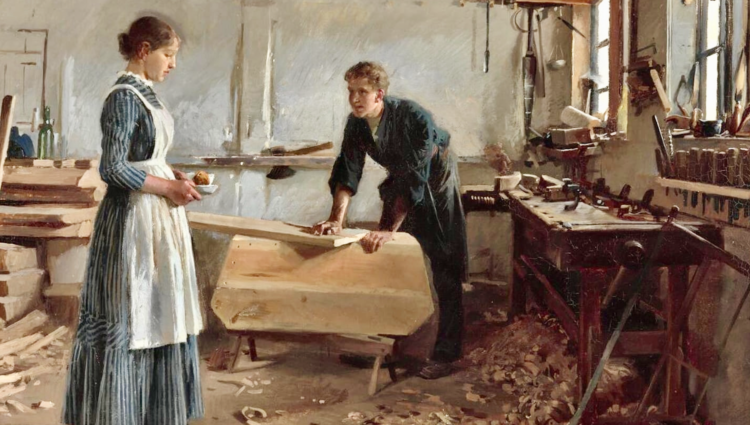
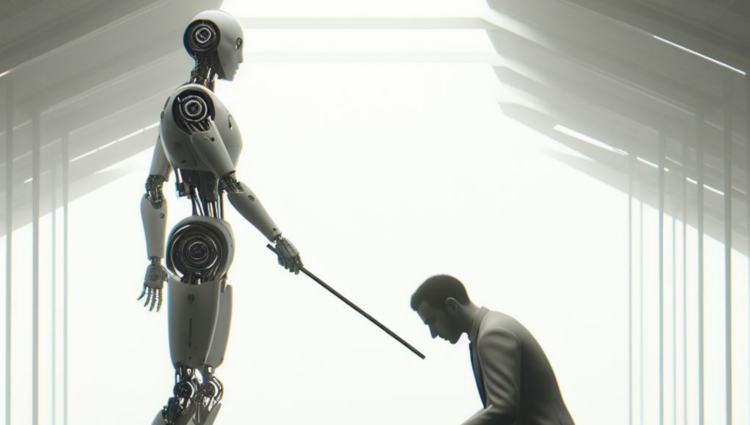
The Law and the Machine

By |2026-03-08T21:21:11-05:00March 8th, 2026|Categories: Christianity, Civilization, Natural Law, Nature of Man, Technology|

The machine we face today is an all-encompassing technological, cultural, and economic system oppressing us—driven by profit and a misguided ambition. In the name of public health and progress we have allowed ourselves to be enslaved to the machine. You will have a window in your head. Not even your future will be a mystery [...]

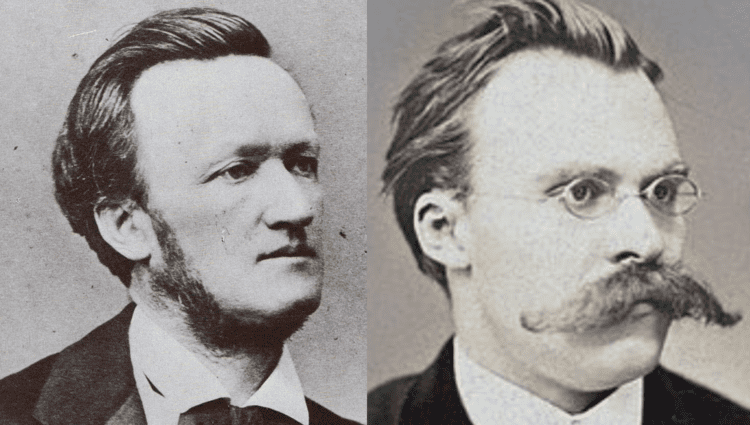
Wagner versus Nietzsche

By |2026-03-06T20:22:18-06:00March 6th, 2026|Categories: Friedrich Nietzsche, Joseph Pearce, Music, Philosophy, Richard Wagner, Senior Contributors|

“Strong art destabilizes the self,” a reader commented on my recent essay, “that’s its job.” Really? On the contrary, great art edifies. It engages the isolated and alienated self with goodness, truth, and beauty. It moves us beyond the confusion of the unstable self towards the true stability found in the fusion of sanity and [...]

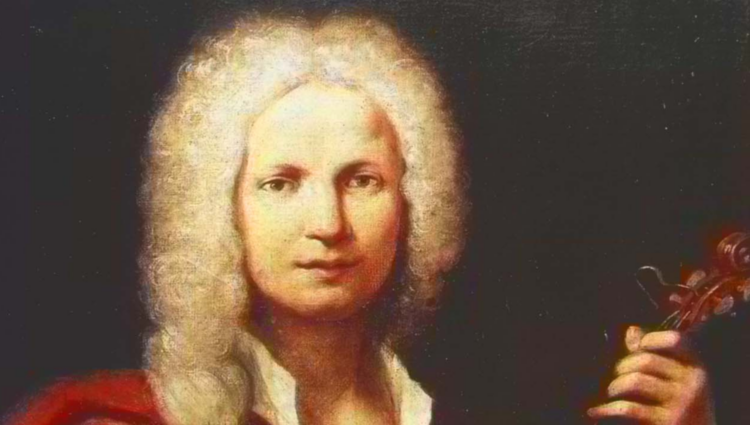
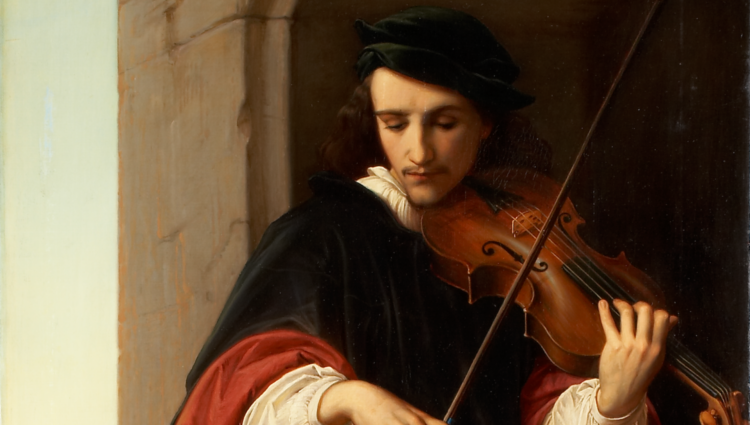
Antonio Vivaldi: “The Red Priest” Rediscovered

By |2026-03-03T17:41:41-06:00March 3rd, 2026|Categories: Antonio Vivaldi, Audio/Video, Culture, Jean-Jacques Rousseau, Music, Stephen M. Klugewicz, Timeless Essays|

The popularity of Vivaldi’s “Four Seasons” has paradoxically led us to underestimate the Venetian’s true greatness. Once renowned across Europe, by the early twentieth century Vivaldi was considered a minor composer. Then, several events occurred to re-awaken interest in the music of “The Red Priest.” Inevitably, when one hears the name of Antonio Vivaldi, one [...]

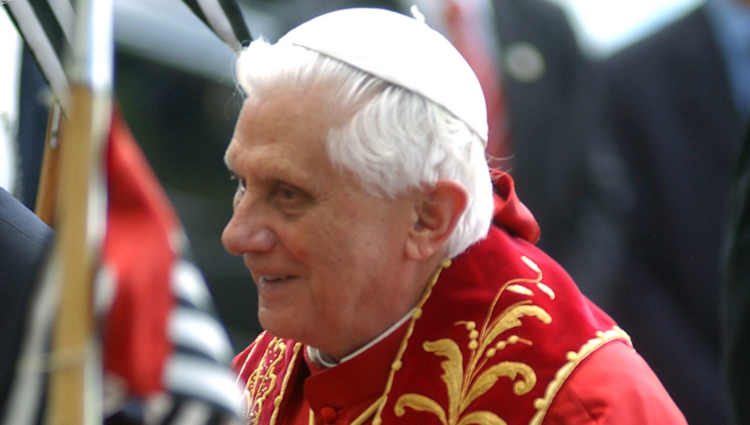
Benedict XVI on Science, Philosophy, & Faith

By |2026-02-12T14:26:48-06:00February 12th, 2026|Categories: Catholicism, David Deavel, Faith, Philosophy, Pope Benedict XVI, Science, Senior Contributors, Timeless Essays|

While Benedict XVI may not himself have made great contributions to the natural sciences, he made what is much more important: a contribution to understanding a world in which the truth is one, is God’s, and, from atoms to archangels, is capable of being seen as connected. A great deal has been written about the [...]

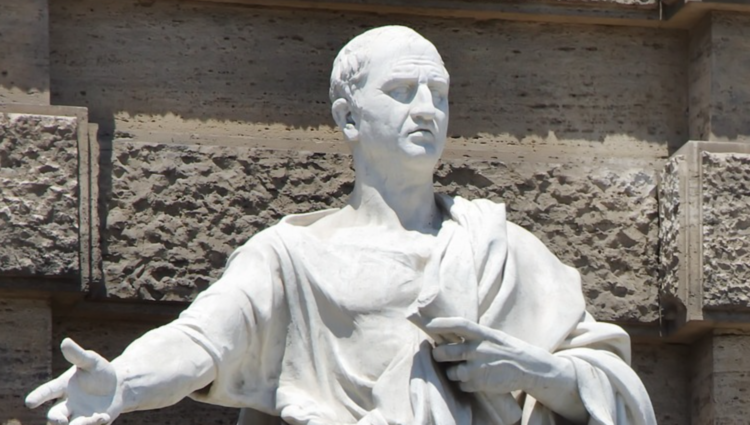
The Importance of Marcus Tullius Cicero

By |2026-02-10T15:55:01-06:00February 10th, 2026|Categories: Bradley J. Birzer, Cicero, Classical Education, Classical Learning, Classics, Featured, Liberal Learning, Natural Law, Timeless Essays|

It can be said of Cicero and his role within the West that, in hindsight, he becomes a figure much larger than he himself actually was; he is a touchstone, a fountainhead, a rock upon which we can place our fondest and dearest dreams. How do I define the Natural Law? Taking my cue from [...]

The Enchanted Cosmos With Thomas Aquinas

By |2026-01-27T19:30:03-06:00January 27th, 2026|Categories: Education, Paul Krause, Philosophy, Senior Contributors, St. Thomas Aquinas, Timeless Essays|

Thomas Aquinas’ cosmology and doctrine of the soul are vitalistic. Everything has a particular soul to it, and these souls have particular life-forces destined for particular ends. As a whole, the cosmos is meant to reflect and embody the graces of God: his beauty, love, and goodness. Such is to what all things are ultimately [...]

Dietrich von Hildebrand on the Appreciation of Music

By |2026-01-26T15:23:16-06:00January 26th, 2026|Categories: Books, Catholicism, Franz Schubert, Ludwig van Beethoven, Michael De Sapio, Music, Philosophy, Senior Contributors, Wolfgang Amadeus Mozart|

In his lectures about three musical geniuses—Mozart, Beethoven, and Schubert—Dietrich von Hildebrand shows how the integration of music with spiritual and philosophic insight can enrich our musical understanding. Mozart, Beethoven, Schubert, by Dietrich von Hildebrand, trans. John Henry Crosby (109 pages, Hildebrand Project, 2025) When a distinguished Catholic philosopher discourses on three distinguished composers of [...]

Logotherapy: Man’s Search for Meaning

By |2026-01-11T13:23:30-06:00January 10th, 2026|Categories: Classical Education, Education, Goodness, Liberal Learning, Literature, Philosophy, Socrates, Truth|

Now we’ve always been a happiness oriented culture. “Life, liberty and the pursuit of happiness” and so forth. Right? But it’s taken a particularly interesting turn: the topic of “meaning” and “meaning in life” is coming to the fore. People, more and more, are talking about not just sheer contentedness, but what it is for [...]

Samuel Taylor Coleridge: A Romantic Conservative

By |2025-10-20T17:13:26-05:00October 20th, 2025|Categories: Conservatism, Philosophy, Political Philosophy, Samuel Taylor Coleridge, Timeless Essays|

Samuel Taylor Coleridge’s romantic conservatism is passionate, incisive, and high-minded. His notion of the “Idea” is persuasive in regard to how it exists in human society, and he lit the way to resolving the ever-present conservative tension between theory and practice. The life of Samuel Taylor Coleridge, if tumultuous and at times disastrous, was a [...]

Go to Top